
As humans, we think of losing a limb as a tragic, worst-case scenario type of event. The loss of an arm or leg is a traumatic experience that has a massive impact on daily life. However, it is not nearly as big a tragedy in the animal kingdom. As veterinarians, we’ve seen countless dogs and cats recover beautifully following limb amputations. With proper care, three-legged pets can live long, healthy, and, most importantly, happy lives. Whether your pet has lost a limb or you’re thinking about adopting a three-legged fur baby, there are many things you can do to help them live life to the fullest. Keep reading to learn more about the secret to helping pets with missing limbs enjoy their best lives.
Pets with missing limbs usually don’t require expensive, specialized care. Yes, you read that right! While amputation is major surgery and patients require considerable post-operative care in the weeks following the procedure, they typically do not need ongoing specialized care post-op. In most cases, dogs and cats with missing limbs don’t need much in the way of specialized care, and caring for them isn’t any more expensive than caring for a furry family member with all four legs. Plus, unlike humans, animals generally don’t experience any emotional trauma due to limb loss. To put it quite simply, they adapt and move on.
Protect your three-legged pet from danger
The loss of a limb could make your pet more susceptible to certain dangers, especially if they are still in the adjustment period and haven’t fully learned how to get by with a missing leg. For this reason, we strongly recommend keeping a close eye on your pet. Don’t allow your cat to venture outdoors unsupervised. Keeping your cat indoors is the safest option, but train them to walk on a harness and leash if they insist on going out. Monitor your dog while outside, too. Keep them on a leash or in a fenced-in yard. Your canine companion may feel a bit more vulnerable after losing a limb, so be sure to take steps to help them feel safe.
If you haven’t already done so, have your cats and dogs microchipped, and make sure they’re wearing a collar with a legible identification tag. If you’ve relocated or changed phone numbers, check to ensure that the contact information on the ID tag and in your pet’s microchip account is up-to-date.
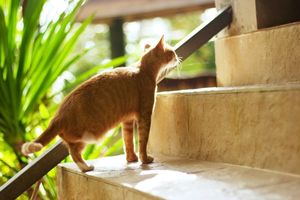
Watch out for weight gain
Obesity is an epidemic among American pets. Those extra pounds may make your dog or cat look extra cute and cuddly, but they also increase their risk for heart disease, diabetes, and many other issues. While weight management is essential for all pets, it is especially vital for those missing a limb. With fewer limbs to distribute their weight, three-legged animals are much more likely to experience injuries and mobility issues due to obesity than their four-legged counterparts.
Feed your dog or cat a healthy diet, and ensure that they get plenty of exercise. Once a dog or cat has fully recovered from limb amputation, they can — and should — resume daily walks, playtime, etc. Just keep an eye on them and watch for signs of overexertion. If you have a pet missing a limb and aren’t sure how to best meet their exercise needs, we would be more than happy to help. Make minor adaptations.
If your cat is missing one of their back legs, they may not be able to jump as high as a cat with both hind legs. And a dog who is missing a front leg might have a hard time bending down to eat or drink. Pay close attention to your pet and watch for things they may struggle with. Then, make some minor adaptations to make their life a bit easier.
A few minor adaptations you can make to help your three-legged pet include:
- Install ramps to help your cat reach their favorite perches.
- Swap out your dog’s regular bowls for elevated bowls.
- Put rugs or throws with rubber backs down on slippery floors in your home to prevent slipping.
- Invest in a harness with a handle on the back, so you can easily give your dog a boost when getting in and out of the car or on the sofa.
Maintain a relationship with your pet’s veterinarian
Whether your pet has three legs or four, maintaining a good relationship with the veterinarian is the most effective means of helping them live their best life. As your dog or cat’s veterinarian, our goal is to be your partner in pet parenthood. That could mean performing major surgery and providing you with the information and support you need as your beloved pet recovers from an amputation. Otherwise, it will involve counseling you on how to care for your newly-adopted three-legged pet. Either way, we’re here to help you give your dog or cat a healthy, happy, and comfortable life. Reach out to us today to learn more!